


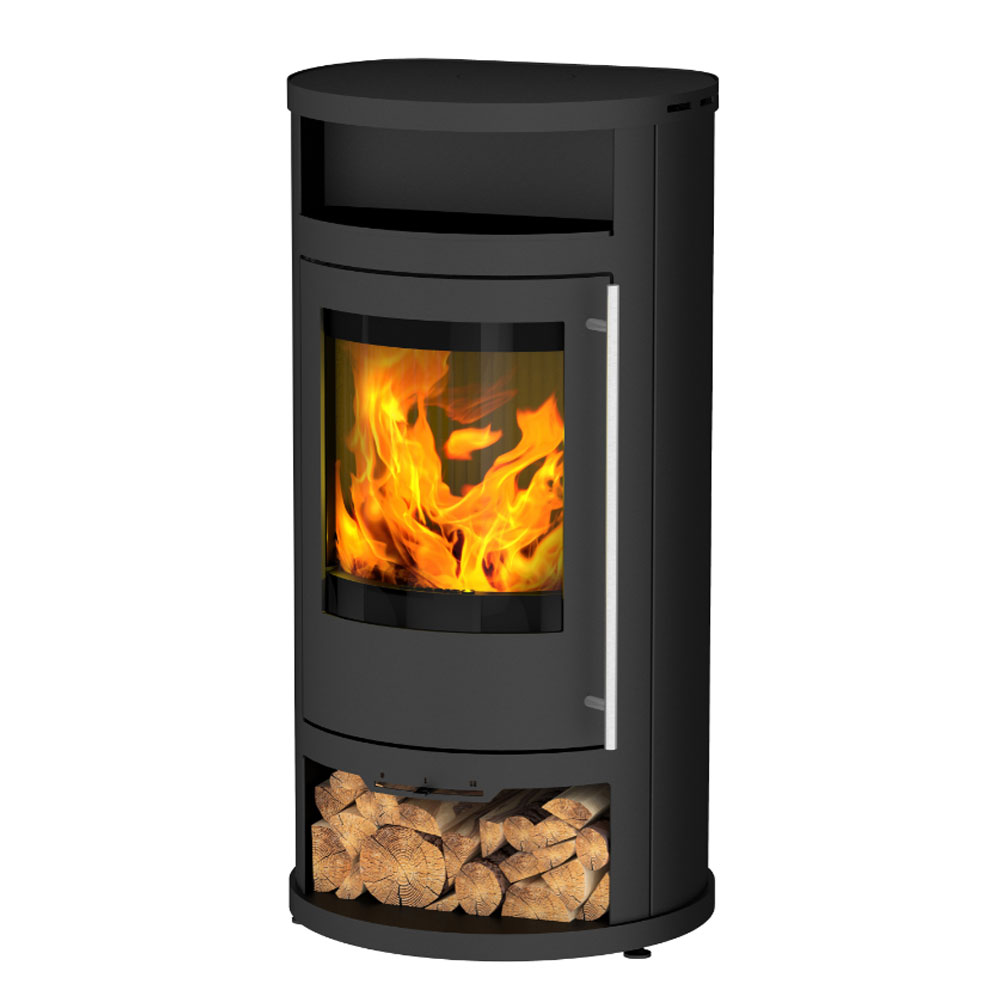
As homeowners seek energy-efficient heating solutions, pellet fuel has emerged as a popular and eco-friendly alternative to traditional firewood. Pellet stoves and fireplace inserts offer a cleaner, more efficient way to heat homes while reducing carbon footprints. In case you liked this short article along with you would like to obtain more details with regards to contura 880 – just click the following internet page – kindly visit the web page. In this article, we explore the benefits of pellet fuel, maintenance tips for pellet stoves, and how to optimize your heating system for sustainability.
What Is Pellet Fuel?
Pellet fuel is a type of biomass fuel made from compressed organic materials, such as sawdust, wood shavings, and agricultural waste. These pellets are dense, uniform in size, and designed to burn efficiently in pellet stoves and fireplace inserts. Unlike traditional firewood, pellet fuel produces minimal ash and smoke, making it a cleaner option for indoor heating.
Advantages of Pellet Fuel
- Energy Efficiency: Pellet stoves can achieve efficiency ratings of up to 90%, significantly higher than traditional wood stoves.
- Eco-Friendly: Made from recycled materials, pellet fuel reduces waste and lowers greenhouse gas emissions.
- Cost-Effective: Pellets are often cheaper than firewood and provide consistent heat output.
- Convenience: Pellet stoves can be automated, with programmable thermostats and automatic ignition.
Pellet Stoves vs. Wood Stoves
While both wood stoves and pellet stoves provide effective heating, they differ in several key aspects:
Efficiency and Emissions
Pellet stoves are generally more efficient and produce fewer emissions than traditional wood stoves. They burn cleaner, reducing the need for frequent chimney maintenance and minimizing creosote buildup, which can be a fire hazard.
Fuel Source
Wood stoves rely on firewood, which requires proper seasoning and storage. Pellet stoves, on the other hand, use manufactured pellets that are easy to store and handle.
Maintenance
Pellet stoves require regular cleaning and occasional stove spare parts replacement, such as gaskets and burn pots. Wood stoves need more frequent chimney cleaning to prevent creosote accumulation.
Maintaining Your Pellet Stove for Optimal Performance
To ensure your pellet stove operates efficiently, follow these maintenance tips:
Regular Cleaning
- Clean the burn pot and ash pan weekly to prevent buildup.
- Inspect and clean the exhaust vent and chimney annually to maintain proper airflow.
- Wipe down the glass door to keep it clear and free of soot.
Replacing Worn Parts
Over time, components like gaskets, igniters, and auger motors may wear out. Using high-quality stove spare parts ensures your pellet stove continues to function safely and efficiently.
Professional Chimney Maintenance
Even though pellet stoves produce less creosote than wood stoves, annual chimney cleaning is still recommended to prevent blockages and ensure safe operation.
Choosing the Right Pellet Stove for Your Home
When selecting a pellet stove, consider the following factors:
Heating Capacity
Determine the size of the area you need to heat. Pellet stoves come in various sizes, and choosing the right one ensures optimal warmth without excessive fuel consumption.
Energy Efficiency Ratings
Look for stoves with high efficiency ratings to maximize heat output and minimize fuel costs. Many modern pellet stoves are EPA-certified for low emissions.
Fireplace Inserts
If you already have a fireplace, a fireplace insert can convert it into an efficient pellet stove, enhancing both aesthetics and functionality.
Sustainable Heating with Pellet Fuel
Pellet fuel is a renewable energy source that supports sustainable heating practices. By using recycled materials and reducing reliance on fossil fuels, pellet stoves contribute to a greener environment. Additionally, their high efficiency means less fuel is wasted, making them a cost-effective and eco-conscious choice.
Reducing Your Carbon Footprint
Switching to pellet fuel can significantly lower your home’s carbon emissions. Unlike fossil fuels, pellets are carbon-neutral, as the CO₂ released during combustion is offset by the CO₂ absorbed during the growth of the biomass.
Supporting Local Economies
Many pellet manufacturers source materials locally, supporting regional economies and reducing transportation emissions.
Conclusion
Pellet fuel offers a sustainable, efficient, and cost-effective heating solution for modern homes. Whether you’re upgrading from a traditional wood stove or looking for an eco-friendly alternative, pellet stoves provide consistent warmth with minimal environmental impact. Regular maintenance, including chimney cleaning and replacing stove spare parts, ensures your system operates safely and efficiently for years to come.
By choosing pellet fuel, you’re not only investing in a reliable heating solution but also contributing to a cleaner, greener future.